
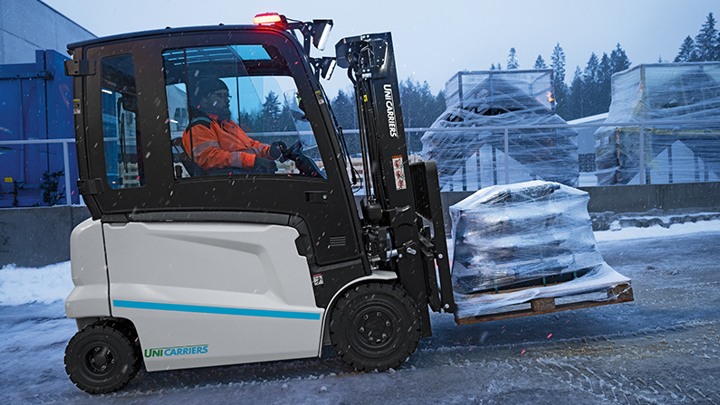
Benefits of Switching to Electric Forklifts
Although transitioning a fleet of IC forklifts to electric can sound intimidating, the reality of re-energizing your fleet is simple.
Why Transitioning to Electric Forklifts Is Simpler Than You Think
Switching from internal combustion (IC) forklifts to electric forklifts may seem like a major undertaking, but the reality is far more straightforward. With significant operational, financial, and environmental benefits, transitioning to an electric fleet can be one of the most impactful steps your business takes toward efficiency and sustainability. Below, we break down the key advantages of going electric and how the right partnerships can make the transition even easier.
Operational Efficiency and Reduced Maintenance Needs
Electric forklifts offer several performance advantages that make them ideal for indoor and high‑precision applications. Their zero‑emission operation helps improve air quality, while their virtually silent performance (aside from backup alarms) enhances workplace comfort and communication.
Key Operational Benefits
- Fewer moving parts: No oil changes, spark plugs, or transmission fluid
- Lower maintenance costs: Reduced risk of breakdowns and fewer components to service
- Less downtime: Longer runtime and fewer interruptions to workflow
- Regenerative braking: Converts kinetic energy into stored battery power, boosting efficiency
- Extended brake life: Automatic braking systems reduce wear
- Improved ergonomics: Braking assistance decreases operator strain and fatigue
These features collectively contribute to longer equipment life, lower ownership costs, and a quieter, cleaner working environment.
Streamlined Fleet Conversion Through Energy Partnerships
Transitioning to electric forklifts becomes even more cost‑effective when supported by utility providers committed to sustainability. Many energy companies now offer rebates, grants, and technical support to help businesses adopt electric material handling equipment.
Examples of Utility Incentive Programs
-
Salt River Project (Arizona):
Offers rebates up to $2,000 for replacing IC forklifts with electric models and $500 for first‑time electric forklift purchases. Additional rebates may be available for electric cleaning and warehouse equipment. -
EnergyRight (Tennessee Valley Authority):
Provides a $1,000 incentive for leasing new or refurbished Class 1 or Class 2 electric forklifts, and $250 per forklift for Class 3 models added to the fleet or replacing Class 4/5 trucks.
These programs help lower initial costs and support companies looking to reduce their environmental footprint.
Long‑Term Cost Savings of Electric Forklifts
Electric forklifts are often significantly more cost‑effective than IC models over their service life. One of the biggest advantages is the elimination of volatile fuel costs. Electricity is typically more stable in price and can be 5–6 times more energy‑efficient than gasoline or diesel.
Cost‑Related Benefits
- Lower energy costs compared to fuel
- Reduced maintenance and repair expenses
- Longer component life due to fewer mechanical systems
- More predictable operating expenses
Even small efficiencies add up quickly—making fleet electrification a smart financial decision for warehouses, distribution centers, and manufacturing facilities.
Conclusion
Every business has different needs, workflows, and budgets. However, virtually all operations can benefit from the cost savings, improved efficiency, and lower environmental impact that electric forklifts provide. With utility incentives and simplified maintenance, transitioning to an electric forklift fleet is more accessible—and more beneficial—than ever before.
Thinking about transitioning to electric forklifts? Contact UniCarriers Forklift to find out how we can assist in re-energizing your fleet.