
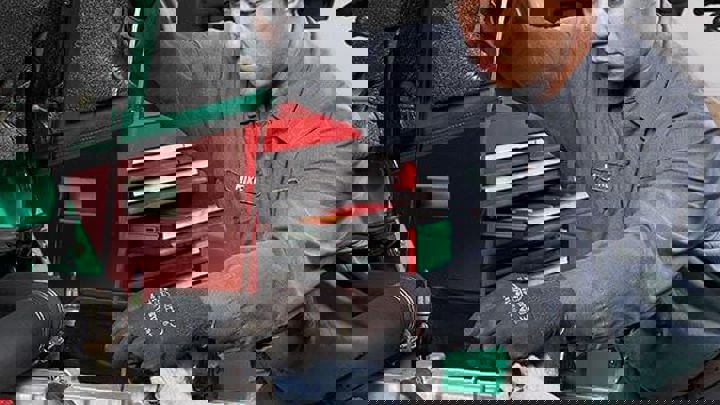
5 Practices that Shorten Lift Truck Lifespan
5 Practices That Shorten Lift Truck Lifespan (and How to Avoid Them)
A lift truck’s lifespan depends heavily on how it is used and maintained. While most material handling equipment is built for durability, certain practices can significantly reduce operational life, increase repair costs, and negatively impact productivity. The good news: these issues are predictable—and avoidable.
Below are the top five practices that shorten a lift truck’s lifespan along with practical steps to help you protect your equipment, reduce downtime, and improve overall warehouse efficiency.
1. Lack of Planned Maintenance (PM)
Skipping or delaying planned maintenance is one of the leading reasons forklifts experience premature wear. Even when a lift truck appears to be running well, its internal components are continually working—and wearing.
Why planned maintenance matters
- Fluids degrade over time. Hydraulic fluid, lubricating oils, brake fluid, and coolant all break down with use. Running lift trucks with contaminated or low fluid levels leads to accelerated component wear and costly repairs.
- Small issues go unnoticed. Leaks, worn hoses, chafed hydraulic lines, or loose components can quickly escalate into major failures if not caught early.
- Downtime costs more than maintenance. A few minutes of planned maintenance is far cheaper and faster than days of downtime caused by a system failure.
How to avoid it
Use a consistent forklift maintenance schedule based on hours of use and application. Many dealers offer custom PM programs that keep your fleet compliant and running efficiently while reducing unplanned downtime.
2. Misusing Lift Trucks for Pushing, Shoving, or Towing
Lift trucks are designed to lift and transport loads, not push, shove, drag, or tow. Using a forklift outside its intended purpose places enormous strain on systems that are not engineered for those forces.
Potential damage
Electric forklifts:
- Overheating of motors and control panels
- Shortened battery run time
- Blown traction fuses
- Burned or worn drive motors
Internal combustion (IC) forklifts:
- Excessive fuel and oil consumption
- Overheated engines and transmissions
- Premature brake wear
- Overloaded gearcases
Even a single misuse event—like pushing an immovable object—can cause immediate damage.
How to avoid it
Provide operator training that emphasizes safe equipment use and reinforces proper lifting and load‑handling techniques. A dealer or safety trainer can also evaluate workflows to help eliminate practices that unintentionally encourage forklift misuse.
3. Ignoring Operator Input and Skipping Pre‑Shift Inspections
Operators are often the first to detect early signs of equipment problems. Ignoring their feedback—or failing to review daily inspection sheets—can cause small issues to snowball into expensive repairs.
What gets missed
- Warning signs of degrading performance
- Recurring minor issues that indicate a bigger problem
- Safety hazards that could lead to damage or injury
How to avoid it
Encourage open communication between operators and service teams. During PM visits, technicians can review operator feedback, adjust settings, and identify potential issues before they affect productivity.
4. Overusing Forklifts in High‑Cycle Applications
Even the most durable lift trucks have limits. When equipment is operated at full capacity with little downtime—especially in multi‑shift or high‑cycle environments—components wear out significantly faster.
Why this shortens lifespan
Constant high‑load operation accelerates:
- Hydraulic pump wear
- Drive motor fatigue
- Transmission stress
- Brake and tire deterioration
How to avoid it
Use a PM schedule tied to equipment hours, not calendar dates. High‑cycle applications may require more frequent service intervals or supplemental equipment to distribute workload evenly.
5. Working With the Right Dealer (A Positive Practice)
Partnering with a knowledgeable material handling equipment provider is key to maximizing lift truck performance and longevity.
A proactive dealer can:
- Recommend ideal PM schedules
- Identify early performance issues
- Suggest equipment updates or replacements
- Help adapt maintenance strategies as your application evolves
How Much Does It Cost to Maintain a Forklift?
Forklift maintenance costs vary based on usage, environment, and adherence to recommended service intervals. Following proper maintenance practices, using equipment within design limits, and conducting regular inspections will significantly reduce lifetime ownership costs.
For more information on planned maintenance programs and best practices for maximizing lift truck life, contact your local Mitsubishi forklift truck dealer.